
Dunfermline Are Having a Season Nobody Expected
Date: Tuesday, 7th Apr 2026t’s been 17 years since Dunfermline Athletic were last in a Scottish Cup semi-final. The wait is now over and this moment has arrived in the same season the club is pushing for promotion back to the Premiership.
At the beginning of the campaign, neither outcome felt especially realistic. A cup run of this scale is difficult for any Championship side to sustain. A promotion push requires consistency that is rarely maintained across a full season. Dunfermline have managed to combine both.
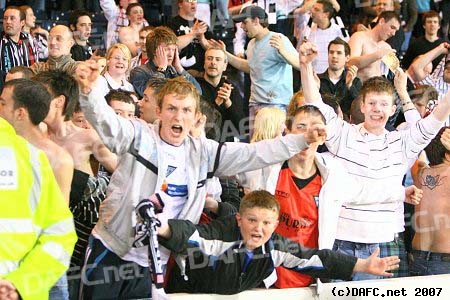
People who mainly look at English Premier League betting odds have started to pay attention. This remains a second-tier club, so the resources are limited compared to the top division. The city does not carry the same weight as Glasgow or Edinburgh and East End Park has seen more difficult periods than most grounds at this level. None of that is being used as an excuse. It has become part of the story.
Dunfermline are in the final four of the Scottish Cup and are unbeaten in the league. The performances suggest a team that understands exactly where it is going.
A Manager Who Changed the Direction
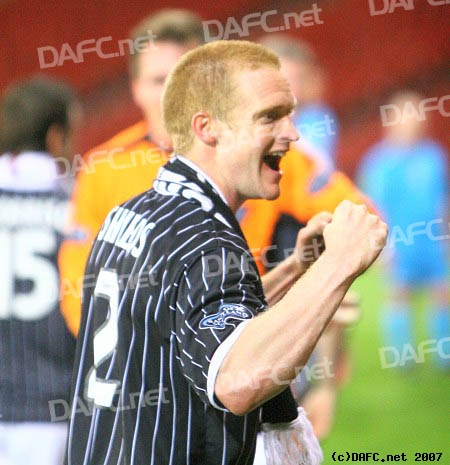
Neil Lennon’s appointment did not feel obvious when it happened. His career includes league titles, European experience, and a strong presence within Scottish football. Moving into the second tier raised questions about whether the fit made sense. The gap between expectation and reality has closed quickly.
The impact has been clear. Dunfermline have developed structure and consistency. The team looks organised without being rigid. There is confidence in possession and discipline without the ball. Those elements tend to define promotion-winning sides.
Managing a promotion push alongside a cup run often creates problems. Squad rotation becomes an issue. Focus can shift too easily. Results begin to dip. Dunfermline have avoided that pattern.
The momentum has carried across both competitions. Performances in the league have supported the progress in the cup. The team has not looked stretched or distracted. That level of balance reflects the influence of the manager as much as the players.
The Performance That Changed Perception
The cup run has shaped how this season is viewed. Victories over Kelty Hearts and Queen of the South provided a steady route into the later stages. The quarter-final was different. It brought expectation, pressure, and a clear step up in quality.
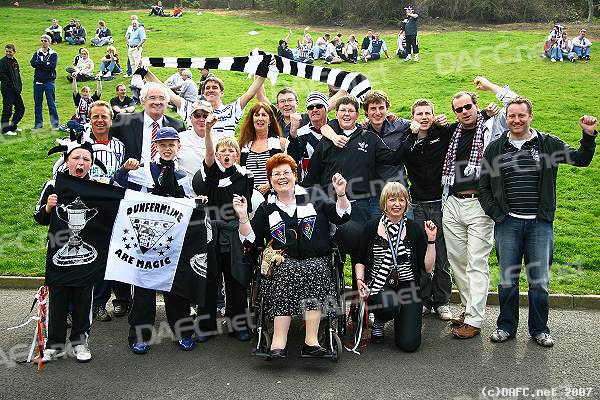
Aberdeen arrived at East End Park as holders of the Scottish Cup. Around 4,000 supporters made the journey. The assumption was straightforward. The away side would progress.
The game did not follow that script, as Dunfermline won 3-0. The scoreline was deserved, and it reflected control rather than moments. There was no sense of a team hanging on or relying on luck. The performance felt settled from the early stages.
Matty Todd stood out in midfield. His influence shaped the tempo of the game. The level of control he showed raised questions about why he remains in the Championship. The performance brought wider attention to a player who has been consistent throughout the season.
The reaction after the final whistle captured the significance. Lennon described it as one of the best nights of his career. That comment carries weight given his experience at higher levels.
The result secured a place at Hampden for the first time since 2008. For many supporters, it was something they had not seen before.
Context That Impacts the Present
Moments like this carry more weight when placed in context. In April 2013, Dunfermline Athletic entered administration. The financial situation had become unsustainable. The immediate concern was survival rather than results on the pitch.
There was a genuine risk that the club could disappear. A supporter-led group known as Pars United stepped in, funds were raised, and control of the club was secured. The process stabilised the situation and created a foundation for recovery.
That period remains central to how the current success is viewed. It was not a distant event, as many supporters experienced it directly. The connection between the club and its community strengthened during that time. The current progress feels linked to that effort.
Rebuilding Without Shortcuts
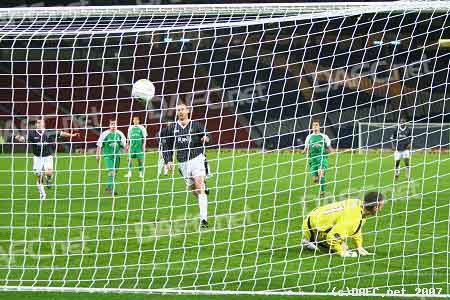
The recovery that followed did not happen quickly. Dunfermline dropped into League One. The challenge was to rebuild with limited resources and realistic expectations. Promotion in the 2016-2017 season marked a step forward. Stability in the Championship proved more difficult to maintain.
Relegation followed and the process began again. Another League One title arrived in 2022-2023 and with it, the club returned to the second tier. Each stage required patience. Progress was gradual rather than immediate.
This season has brought a different feel. The team has shown consistency across a longer period. Performances have been controlled rather than reactive. The balance between attack and defence has improved. Those factors tend to separate competitive sides from successful ones.
Hampden and What Comes Next
The semi-final at Hampden presents a clear opportunity. Winning that match would place Dunfermline in a Scottish Cup final. It would also extend a run that has already exceeded expectations. The stage itself carries significance for players and supporters.
League form remains just as important, as maintaining consistency would secure a return to the Premiership. The challenge lies in sustaining performance levels across both competitions. The signs suggest that the squad is capable of handling that pressure. Each result has reinforced belief rather than creating tension. That approach has been consistent throughout the season.

A Club With History and Perspective
Dunfermline Athletic has a history that gives the current moment additional depth. Jock Stein began his managerial career at the club in 1960. Within a year, he led Dunfermline to their first Scottish Cup, defeating Celtic in a replay. That success marked the beginning of a period that defined the club’s identity.
Willie Cunningham continued that progress. George Farm later guided the team to another Scottish Cup victory in 1968. European competition followed. The run to the semi-finals of the Cup Winners’ Cup in 1968 to 1969 remains one of the club’s most significant achievements. Those moments established a standard that has been difficult to match.
The decades that followed included periods in the top flight and appearances in major finals. Sustained success proved elusive. Administration in 2013 represented the lowest point. The journey back has been long.
Why This Season Feels Different
This season has created a sense of direction. The team is not relying on isolated results. Performances have been consistent. The structure within the squad is clear. Confidence has developed through results rather than expectation.
Supporters recognise the difference. There is an understanding of what the club has been through. That perspective shapes how the current progress is experienced. Success carries more meaning when it follows uncertainty.
Dunfermline are no longer defined by survival. They are competing with purpose. The possibility of a cup final and promotion exists at the same time. That combination has changed how the club is viewed.
Scottish football produces strong narratives each season. Few carry this level of context.
Dunfermline Athletic have rebuilt their position through steady progress. The current campaign reflects that work. It has brought the club back into focus. That is why this season stands out.
views: 1,356